Get Roof Flashing Installation
Roof flashing installation services help property owners prevent leaks and water damage by properly sealing roof joints around chimneys, vents, skylights, and roof edges with skilled local contractors.
Roof flashing installation is an important aspect of maintaining the integrity and durability of a property’s roofing system. Properly installed flashing helps prevent water infiltration around roof joints, chimneys, vents, and other vulnerable areas. Property owners in the area often seek out experienced local contractors to ensure these critical components are correctly fitted and weather-tight, protecting their investment and reducing potential for costly repairs down the line. Exploring options for professional flashing installation can be a practical step toward safeguarding a home or commercial building’s structure.
For those considering roof flashing services, it’s helpful to compare local service providers who specialize in this work. Many property owners find value in consulting multiple contractors to understand the range of available solutions and to identify professionals with proven expertise in their community. Continuing to read can provide useful insights into how local contractors approach flashing installation and what to look for when planning this type of project.
- Roof Flashing Installation - needed when flashing around chimneys and vents shows signs of damage or leaks.
- Roof Flashing Replacement - required if existing flashing is corroded, cracked, or improperly sealed.
- Custom Flashing Fabrication - necessary for unique roof designs or unusual angles that standard flashing cannot accommodate.
- Leak Repair with Flashing - essential when water infiltration occurs near roof penetrations or seams.
- Roof Flashing Inspection - recommended as part of routine maintenance or before roof repairs to identify potential issues.
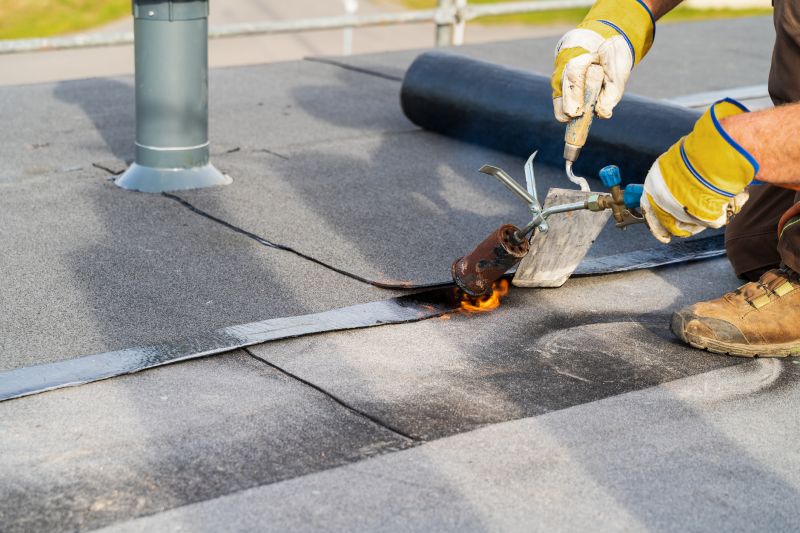
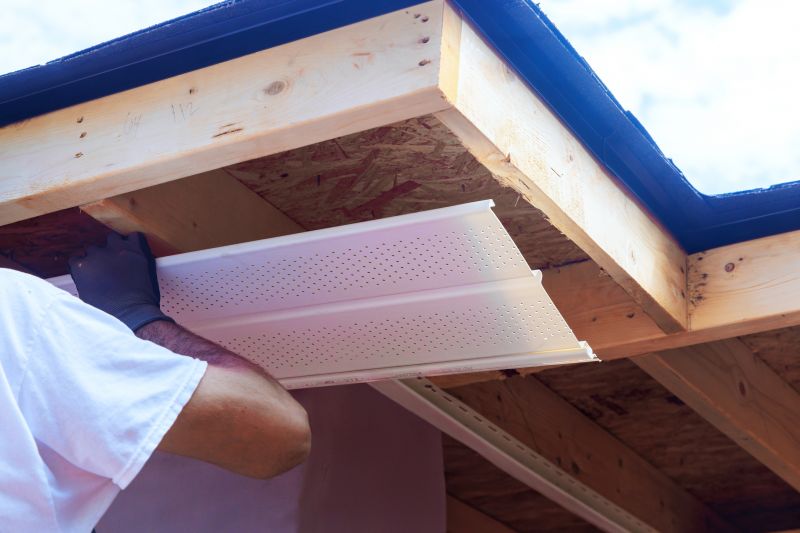
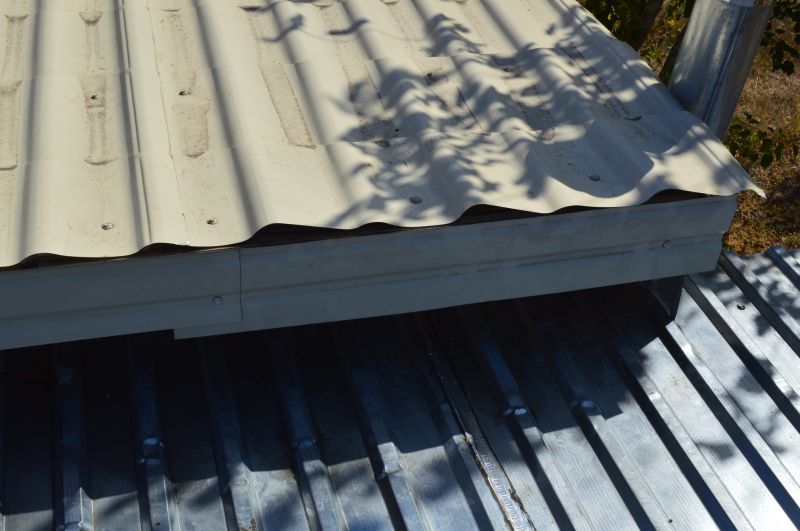
Roof flashing installation involves placing specialized metal strips around key areas of a roof to create a barrier against water intrusion. These strips are typically installed around chimneys, vents, skylights, and along roof edges to ensure that water flows away from vulnerable joints and penetrations. Proper installation of roof flashing is essential for maintaining the integrity of the roof and preventing leaks that can lead to costly damage inside the home. Experienced local contractors can assess the specific needs of a property and install flashing that fits the roof’s design and materials, helping to protect the structure over time.
One of the primary problems roof flashing addresses is water infiltration. Without adequate flashing, water can seep into seams, around roof penetrations, or along edges, causing leaks, mold growth, and wood rot. Over time, these issues can compromise the roof’s stability and lead to more extensive repairs. Installing high-quality flashing correctly can prevent these problems before they start, especially in areas prone to heavy rain or snow. Local service providers can identify potential vulnerabilities and ensure that flashing is properly sealed and integrated, offering long-term protection for the property.
Roof flashing services are commonly used on a variety of property types, including residential homes, multi-family buildings, and small commercial structures. Homes with complex rooflines, multiple roof penetrations, or older roofs often benefit most from professional flashing installation or repair. Properties located in regions with frequent storms or heavy precipitation also require well-installed flashing to maintain their defenses against water damage. Whether it’s a single-family house or a multi-unit complex, local contractors can tailor flashing solutions to suit the specific design and needs of each property.
Homeowners should consider roof flashing installation when constructing a new roof, noticing signs of leaks, or upgrading an aging roof system. It is also a recommended step during repairs after storm damage or when replacing roofing materials. Proper flashing installation helps ensure that the roof remains weather-tight and durable, protecting the interior of the home from water-related issues. Contacting local roofing professionals can provide the expertise needed to evaluate the current state of flashing or to install new flashing that effectively safeguards the property against water intrusion.
The overview below groups typical Roof Flashing Installation projects into broad ranges so you can see how smaller, mid-sized, and larger jobs often compare in your area.
In many markets, a large share of routine jobs stays in the lower and middle ranges, while only a smaller percentage of projects moves into the highest bands when the work is more complex or site conditions are harder than average.
Smaller Repairs - Typically, minor roof flashing repairs or replacements cost between $250 and $600. Many routine jobs fall within this range, depending on the extent of the damage and materials used.
Moderate Projects - Mid-sized installations or repairs usually range from $600 to $1,500. These projects often involve replacing or upgrading flashing sections on standard roofs.
Full Roof Flashing Replacement - Complete replacement of roof flashing can cost between $1,500 and $3,500 for most homes. Larger, more complex projects may reach $4,000 or more, though fewer jobs fall into this highest tier.
Complex or Custom Installations - Custom or intricate flashing work on larger or unique roof designs can exceed $5,000. These projects are less common and typically involve specialized materials or challenging conditions.
Actual totals will depend on details like access to the work area, the scope of the project, and the materials selected, so use these as general starting points rather than exact figures.
Chimney Flashing Repair - involves similar skills in sealing and waterproofing roof penetrations to prevent leaks around chimneys and vents.
Roof Valley Installation - requires precise planning and installation of metal flashing to ensure water flows correctly and avoids damage.
Skylight Flashing Installation - involves working around roof openings with specialized flashing techniques to maintain weather resistance.
Gutter and Downspout Installation - shares planning and sealing skills to direct water away from the roof and foundation effectively.
Roof Leak Detection and Repair - involves identifying vulnerabilities and applying sealing techniques similar to flashing to prevent water intrusion.
Siding and Fascia Installation - requires precise sealing and flashing to ensure weatherproofing at roof edges and exterior wall intersections.
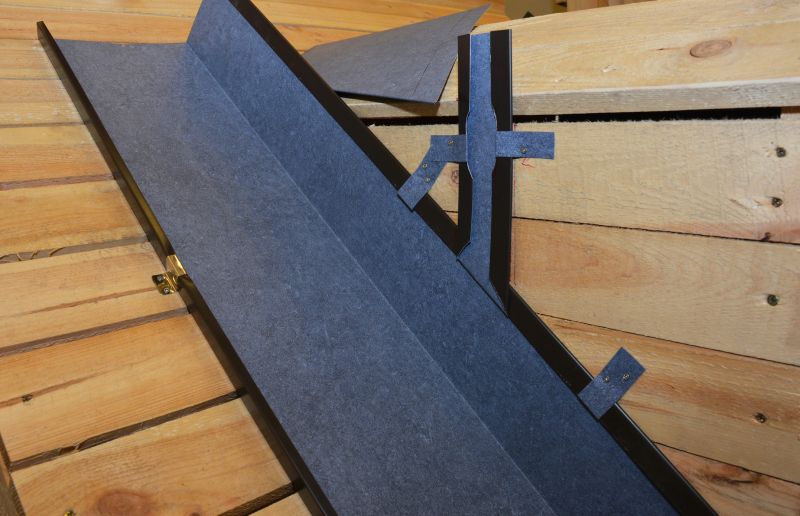
When comparing service providers for roof flashing installation, it’s important to evaluate their experience with similar projects. Homeowners should look for local contractors who have a proven track record of handling roof flashing work comparable to the scope of their project. This can include asking about past jobs, reviewing portfolios or project descriptions, and understanding how long the contractor has been working in the local area. An experienced professional is more likely to be familiar with common issues, local building codes, and best practices, which can contribute to a successful and durable installation.
Clear written expectations can help ensure that both the homeowner and the contractor are aligned on the scope and details of the project. When comparing local pros, it’s beneficial to request detailed descriptions of the services they provide, including materials used, the process they follow, and any warranties or guarantees offered. Having this information in writing helps prevent misunderstandings and provides a basis for evaluating whether the contractor’s approach matches the homeowner’s needs. Clear communication from the outset can also make it easier to address questions or concerns as the project progresses.
Reputable references and good communication are key indicators of a trustworthy service provider. Homeowners should seek out local contractors who can provide references from previous clients, particularly those who had similar work done. Talking to past customers can reveal insights into the contractor’s reliability, quality of work, and professionalism. Additionally, effective communication-whether through prompt responses, clarity in explanations, or willingness to answer questions-can make the entire process smoother. It’s important to choose local pros who demonstrate transparency and responsiveness, as these qualities often reflect their overall approach to customer service and project management.
Property owners use Roof Flashing Installation services for practical projects around their homes and businesses. This guide focuses on everyday jobs and straightforward project options.
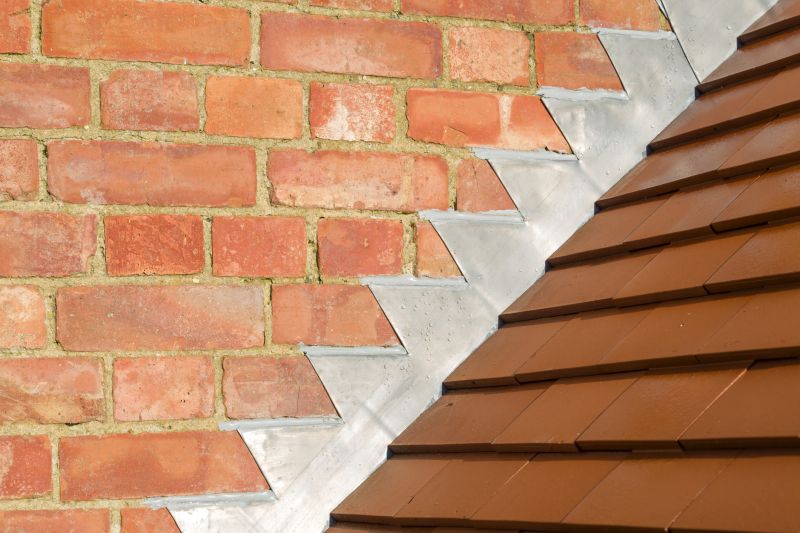
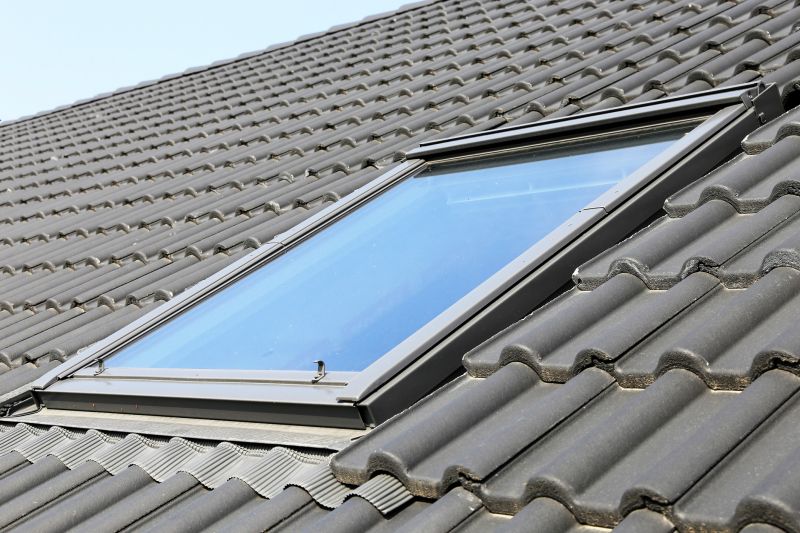
Roof flashing installation is a common project for property owners dealing with issues such as leaks around chimneys, vents, or roof joints. Over time, weather exposure can cause flashing to become damaged, corroded, or improperly installed, leading to water intrusion that may damage the interior or structural elements of a building. Local contractors experienced in roof flashing can assess these vulnerabilities and provide solutions to help protect homes and businesses from water-related problems.
Property owners might also seek flashing services when constructing new roofs or making renovations that involve areas prone to water exposure. Properly installed flashing ensures a weather-tight seal around roof penetrations and edges, preventing leaks and extending the lifespan of the roof. Connecting with local service providers skilled in flashing installation can help address these everyday needs efficiently and effectively.
What is roof flashing and why is it important? Roof flashing is a material installed around roof features like chimneys, vents, and edges to prevent water from seeping into the structure. Proper flashing helps protect a roof from leaks and water damage, ensuring its longevity.
What types of roof flashing materials are commonly used? Common materials for roof flashing include aluminum, copper, galvanized steel, and lead. The choice of material depends on the roof type, climate, and specific application requirements.
How do local contractors typically install roof flashing? Experienced contractors install roof flashing by carefully fitting and sealing it around roof penetrations and edges to ensure a watertight barrier. Proper installation involves precise measurement, cutting, and sealing techniques.
What signs indicate that roof flashing might need repairs or replacement? Signs include water stains or leaks inside the building, rust or corrosion on flashing, cracked or loose flashing, and visible damage after storms or high winds.
Why should homeowners consider professional roof flashing installation? Professional installation ensures that flashing is properly fitted and sealed, reducing the risk of leaks and water damage. Skilled local service providers can assess the roof and recommend the best solutions for durability and effectiveness.
Prevent Water Damage - Proper roof flashing installation helps keep water from seeping into the building, protecting the interior from leaks during heavy rain.
Improve Roof Durability - Local contractors can install or repair flashing to extend the lifespan of roofing components against weather-related wear.
Enhance Roof Appearance - Well-installed flashing provides a neat, finished look around chimneys, vents, and skylights, improving curb appeal.
Address Roof Penetrations - Service providers can properly seal around roof penetrations to prevent potential leak points and structural damage.
If you are thinking about Roof Flashing Installation for a property, this guide is meant to help you understand the work, the typical project types, and how different options might fit your plans.
When you are ready, you can use the quote form on this page to share a few details about your project. From there, local pros can review the basics and respond with options that match what you have in mind.